Author: admin
-

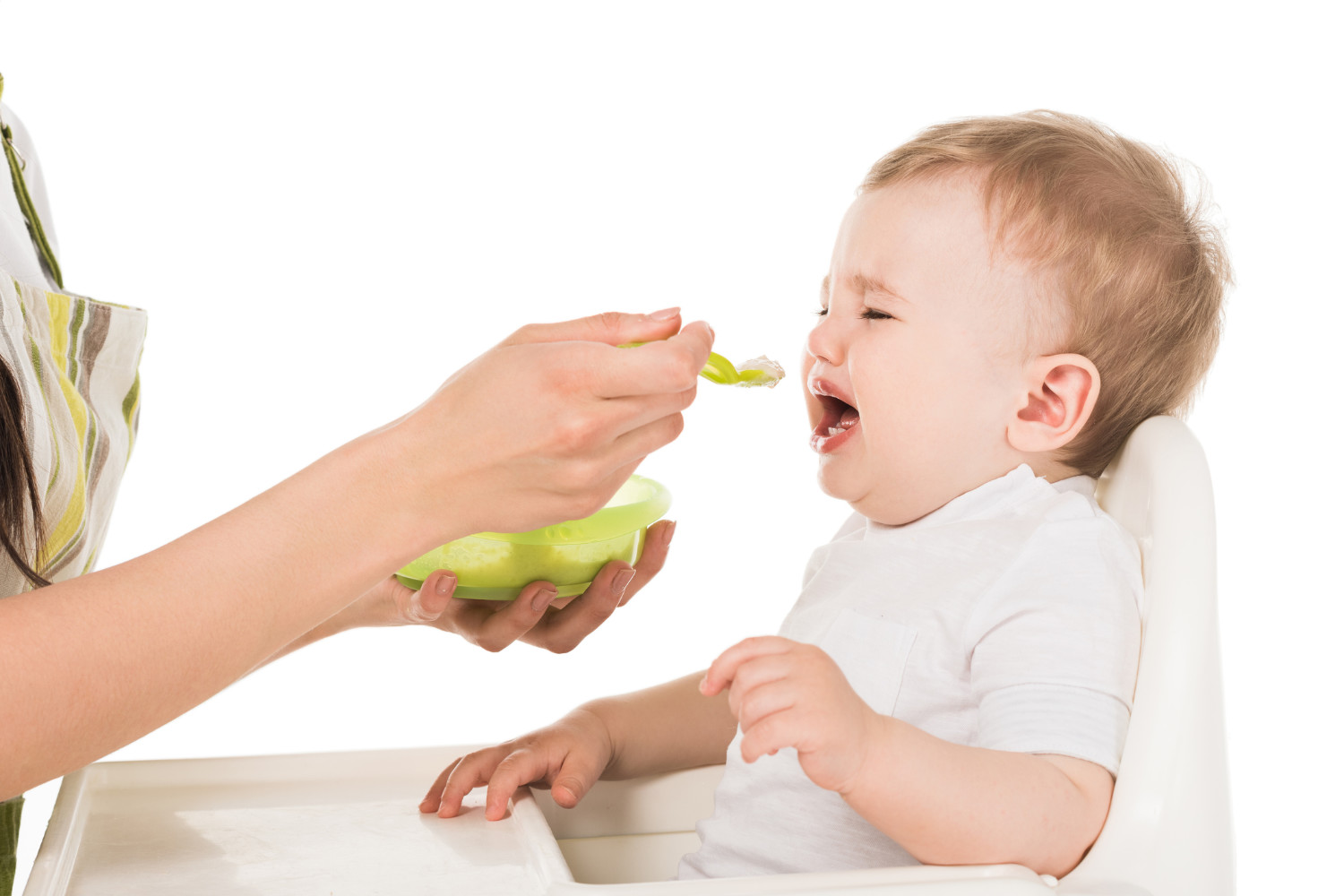
It is not always easy to feed a baby or toddler. If the child cries while feeding or spits out the purée again and again, many parents are worried. Feeding is no longer relaxed for you and your child, but very stressful. Many children find it difficult to adjust to something new (e.g. if they…
-
In Mastering feeding problems – Part I: Practical Tips for dealing with your child we explain what you can do to help your baby eat and what you should not do. You should seek professional help if:
-
Feeding a baby or toddler is not always easy and uncomplicated, even if other parents, advertising or social media may give this impression. What if, for example, your child rejects food, starts crying as soon as he or she sees the bottle, resists being put in the chair and regularly spits out the first spoon?…
-

Below you can find valuable tips on what you can do to help your child and what you should avoid.
-
When it comes to nutrition, please don’t forget: Every developmental step goes along with tremendous changes for your child, and he or she will need your support! New tastes, textures and skills must first be learned and tested. Please be patient if not everything works right away: If necessary, gently offer your child new foods…
-

On the one hand, all babies are interested in new experiences, but on the other hand they show “wary of new things” (so-called neophobia). This can also be noticed when babies explore new tastes or consistencies of food (e.g. porridge). It is completely normal behavior for babies to grimace when eating a new food and…
-

The first few years of your child’s life are characterized by a rapid pace of development. As parents, you support your child in taking numerous developmental steps and getting to know their environment better and better. There are so many new things for your child to discover – including learning about hunger and satiety and…
-
Everything that we adults take for granted when eating, babies first have to learn – e.g. sucking, swallowing, chewing or what it feels like to be hungry or full. Your child will also have to get used to firmer foods and new tastes later on. Your baby may not like new food straight away and…