Category: Info – EN
-

Infants, toddlers, older children or adults – no matter what age, we all need sleep. Sufficient sleep helps us to learn, to concentrate, and to feel vital during the day. Sleep is also important for our growth, development and regeneration. Therefore, we spend around a third of our entire lives asleep. Towards the end of…
-

Sometimes no tricks and tips seem to help. No matter what you try, sleeping just doesn’t work. Many parents are worried if their child has persistent difficulties falling asleep and/or maintaining sleeping through the night. In addition, the constant lack of sleep can be very burdening in your everyday life. It is important that you…
-
In Mastering sleeping problems Part I: Practical tips for dealing with your child, we explain what you can do to help your baby fall asleep and stay asleep and also what you should not do. You should seek professional help:
-
After birth your baby gets to know a whole new world. Babies have to learn to sleep regularly. It is completely normal in the first few months of life for your child to need a lot of help falling asleep and to wake up frequently at night. Only if this does not slowly improve by…
-
After birth, it takes some time for your child to learn the difference between day and night. For us adults, it is normal to be awake during the day and to sleep at night. This is different in babies: First, they sleep much more than adults and second, they sleep during the day and at…
-
Your child undergoes major changes in the first two years of life – including eating.
-
Your child is a small individual with unique sleep needs. There are averages showing how many hours of sleep children usually need. Please remember that these data do not apply to every child; they are only indicative. Some babies need much less sleep than shown in this table; others need more sleep! Age (Months) Sleep…
-
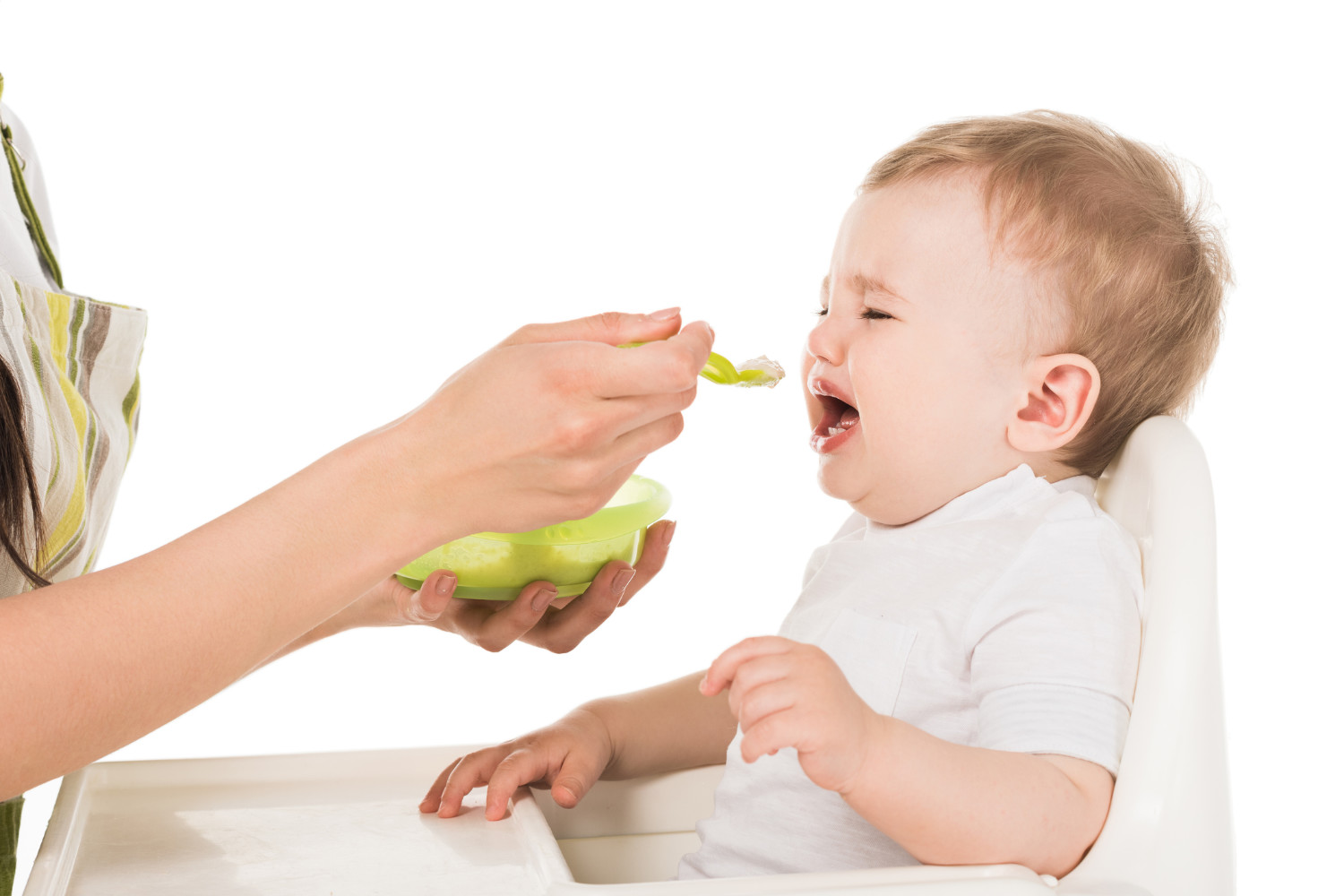
It is not always easy to feed a baby or toddler. If the child cries while feeding or spits out the purée again and again, many parents are worried. Feeding is no longer relaxed for you and your child, but very stressful. Many children find it difficult to adjust to something new (e.g. if they…
-
In Mastering feeding problems – Part I: Practical Tips for dealing with your child we explain what you can do to help your baby eat and what you should not do. You should seek professional help if:
-
Feeding a baby or toddler is not always easy and uncomplicated, even if other parents, advertising or social media may give this impression. What if, for example, your child rejects food, starts crying as soon as he or she sees the bottle, resists being put in the chair and regularly spits out the first spoon?…