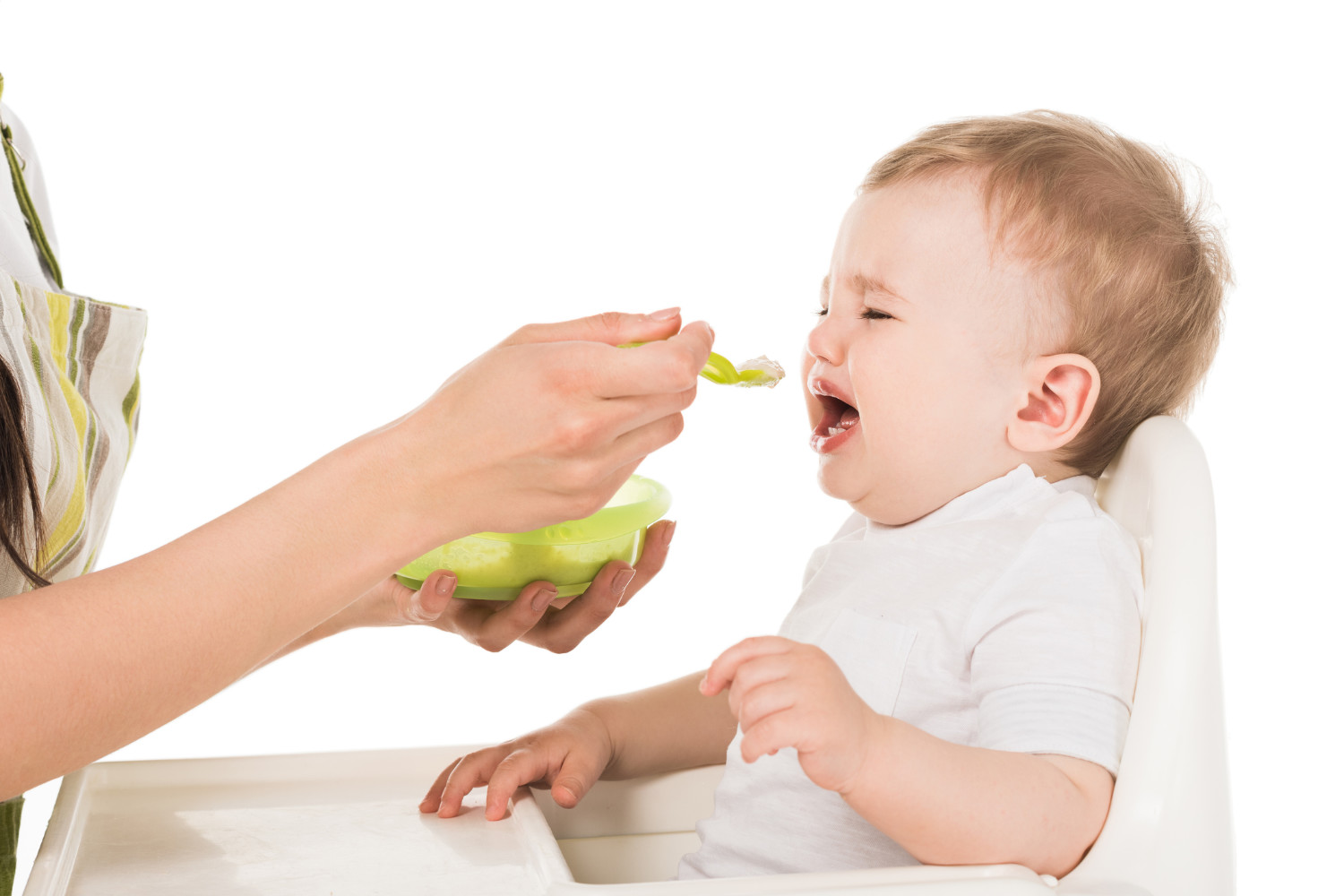
Crying constitutes a developmental phase in all babies. The duration of fussiness and crying typically follows a pattern in the first 3 months of life for many babies:
At 1-2 weeks of age, babies cry for an average of about 2 hours per day. By 6 weeks, most babies experience the peak of crying duration, approximately 2 hours and 15 minutes per day. By 3 months, crying reduces to an average of 70 minutes per day.
However, babies vary greatly in their crying duration from birth. Some babies cry for only one hour or less per day, while others cry for 3 hours or more. These differences are entirely normal. By the way, babies tend to fuss and cry the most in the late afternoon and evenings.
The following graph displays results from a large study (Wolke, Bilgin & Samara, 2017) on the crying duration in babies. Here, you can see how much babies cry on average during the first 3 months of life:
Duration of crying and fussing in newborns during the first 12 weeks
Please note that the values listed here are merely averages. The duration of crying or whining can vary from child to child. The chart is intended to help you gauge the duration of your own child’s crying or whining. Copyright® Wolke, Bilgin & Smara (2017).
Explanation to read the crying curve:
On the horizontal axis, you can find the age of your baby in weeks. The vertical axis represents the duration of fussiness or crying in minutes. For instance, if your baby is 6 weeks old, you can look at the marking “5-6” on the horizontal axis. If your baby cries for an estimated 3 hours per day – which equals 180 minutes – this crying duration falls on the 75th percentile. This means that 75% of babies at the age of 6 weeks cry as much or less than your baby, while the remaining 25% cry more.
By around 3 months of age, many babies have established a regular daily rhythm, with quieter and more attentive awake periods during the day. Typically, crying decreases around the 3rd month of life for most babies.
However, this doesn’t apply to every baby. Despite extensive research on this topic, there is still no definitive answer as to why some babies cry more than others. One possible explanation lies in temperament differences:
Your child is a small individual, bringing certain innate characteristics from the start that make them distinctive. Some babies, for example, are highly sensitive and easily overwhelmed by new situations. Others are very active – they thrive on attention and are highly interested in new stimuli, hardly being disturbed. The fact that babies cry different amounts and for different durations may also be because they learn to regulate and calm themselves at their own pace.